Can bracken be defeated?

Pteridium aquilinum otherwise known as Bracken, is a common fern in many woodlands. It is a vigorous and resilient species found throughout the UK. When trees are felled or spaces appear in woodlands, bracken is quick to colonise taking advantage of the increased light. It grows quickly and its fronds can limit the growth of young trees through its dense shading. Similarly at the end of a growing season, the dying fronds can literally smother germinating seedlings and young saplings.
Before dying down, bracken can store many materials in its extensive underground rhizome system. It can tolerate adverse weather and difficult soil conditions but generally prefers not to be in waterlogged soils. It is not subject to significant grazing pressure or attack by insect pests or pathogens. Consequently, it is a highly competitive species, reducing biodiversity. Some woodland plants can survive in its presence, if they grow in early spring before the emergence of the fronds.
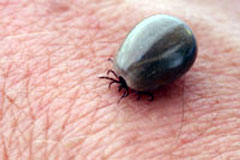
A TICK
Bracken contains metabolites, which when ingested by animals, like cattle, have been linked to cancer of the bladder. It contains a toxin Ptaquiloside and the young leaves when crushed or eaten release hydrogen cyanide. Bracken is also known to harbour ticks, which can spread Lyme Disease.
So, it not surprising that bracken is regarded as a weed by managers of woodland, field and pasture; it needs to be controlled, preferably eliminated. But how to do this is problematic.
A number of strategies have been employed with varying degrees of success. In woodland, the main objective is to suppress its vigour so that saplings can fully establish themselves . In the past, bracken had a number of uses – for example, as animal bedding which was later composted to give a nutrient-rich mulch. Also, used for thatching, as a source of potash (pot ash = plant ashes soaked in water in a pot giving a soluble form of potassium K+). This harvesting of bracken in historical times probably helped limit its spread. However, it is now spreading and its dominance in some areas / habitats is a concern.
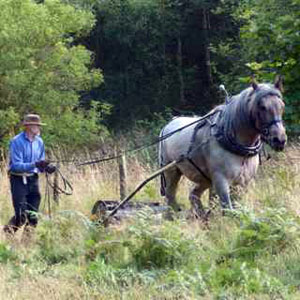
Rolling bracken
- Bracken can be weakened by the cutting or crushing of the fronds, particularly if this is repeated on a regular basis. This is both time consuming and expensive.
- Ploughing the soil, this cuts the underground rhizomes, exposing them on the surface where they might dry out or freeze. Ploughing has to be done carefully, as can significantly disturb the soil which can lead to erosion. Pigs can have the same effect as ploughing if the soil is shallow. Generally these methods are now used.
- Other techniques included the burning of leaf litter and woody material but this has little effect on reducing the vitality of the bracken, in fact, the release of nutrients from the resulting ash may encourage the growth of the bracken.
- Wood chip mulches are similarly ineffective, as are artificial mulches / membranes (difficult to secure them).
- Herbicides, such as asulam and glyphosate are effective in reducing fronds emerging after its application. Asulam did little harm to young trees and other plant species, however its use is no longer approved of. The use of glyphosate is also problematic. It has been suggested that it may be geotoxic & carcinogenic [EFSA 2017 Risk Assessment: Glyphosate]. The UK considered a ban, but as of last year its use was still allowed.
Recent work [by Forestry England et al] has revealed an alternative herbicide that may be useful in controlling bracken - namely amidosulfuron. It works by inhibiting enzymes which control amino acid and protein metabolism. It is thought to have low toxicity to mammals, and is stabile in light. Early trials indicate that it might be suitable for the suppression of bracken in strands of norway spruce, oaks, scots pine, sitka spruce and silver birch.
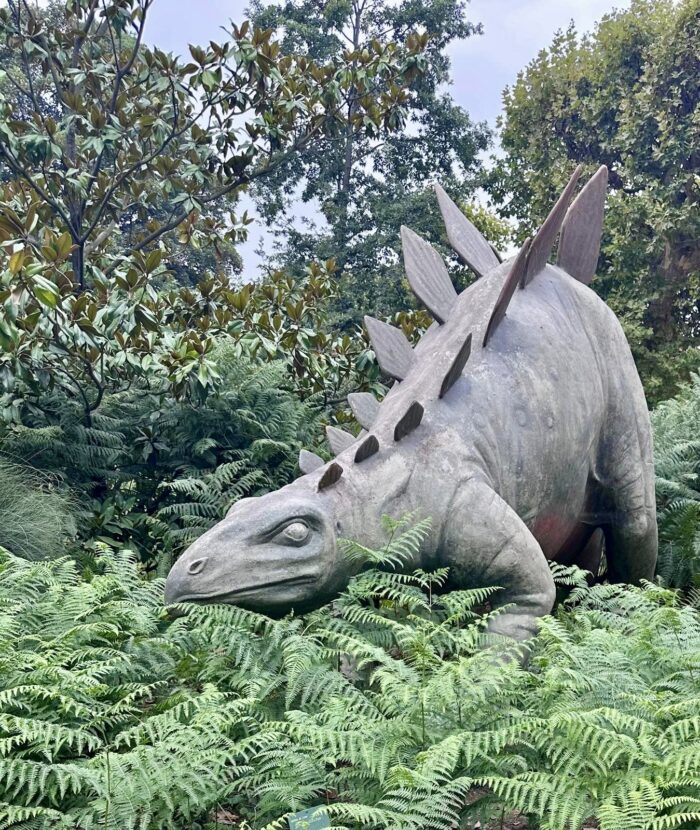
During the Age of Dinosaurs, ferns (Polypodiophyta) were among the most abundant ground level vegetation and a significant food source for many herbivorous dinosaurs.
Discussion
Asulox contains Asulam.
It is not currently available in the UK, following a EU regulatory ruling that withdrew approval for its active agreement – ASULAM.
Whereas the 1st and 3rd photos are of bracken, I think the second photo isn’t bracken but a fern. These do not cause any problems in woodlands and should be protected.
Why not consider how it is managed at Knepp? The idea of poisoning or killing native plants or animals in this woodland management context doesn’t sit well for me.
There is a little more information about alternative treatments here. https://www.agrigem.co.uk/advice-centre/agrigem-blog/latest-news/product-update-asulox/
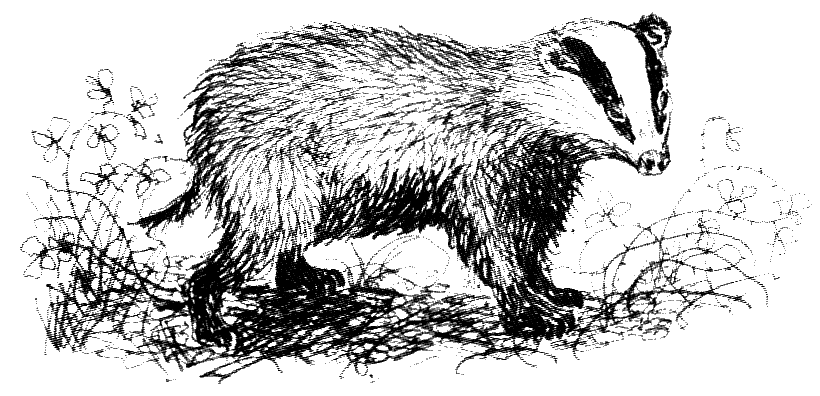
Opps. removed.
blogs
1 March, 2026